

September 12, 2025
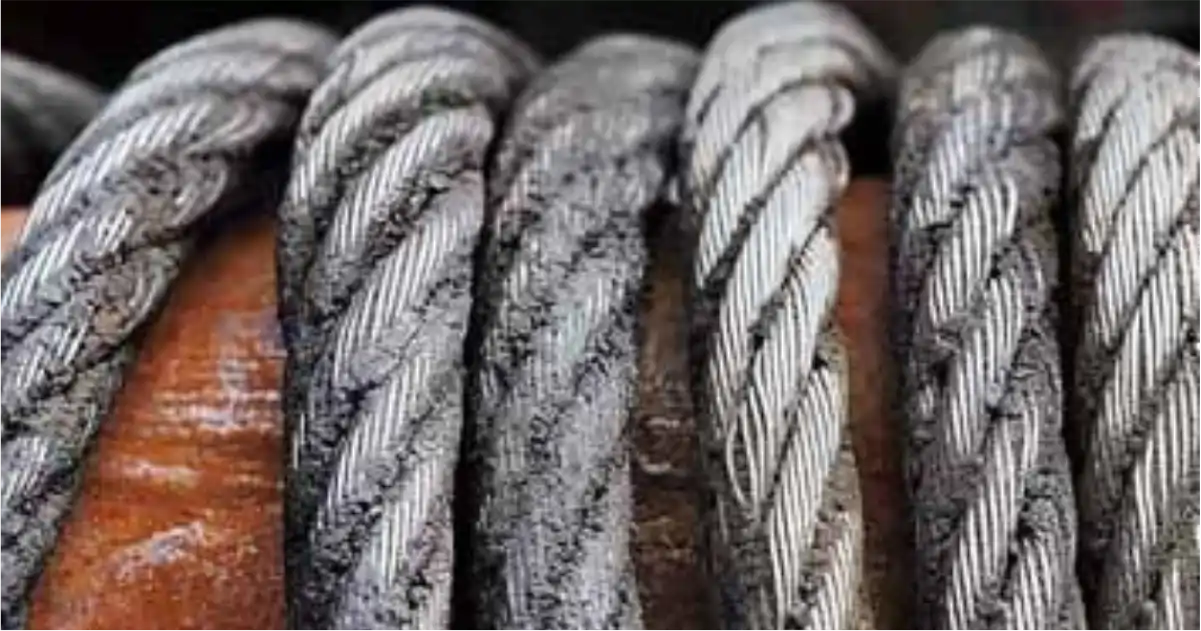
Statistical surveying predicts that the electric wire and cable market in India will grow consistently in future. The wire and cable industry analysis identifies the growth in renewable power generation to be one of the primary factors for the growth of the electric cable and wire market. The focus of several countries across world to commercialize renewable power generation will create a significant demand not only for electrical wires and cables but also wire ropes for a smooth conduct of work process of various applications. Experiencing this business growth, one of the leading Indian cable manufacturer with widest product range that has been established since 1962 were seeking a solution to their current issue of Wire Rope Breakages during operation. MOSIL studied their challenges and discussed their expectations prior to providing them with a solution by way of a unique wire rope grease that not only increases the wire rope’s service life but also helped the customer to save Lakhs of rupees over the overall maintenance of the wire. "Not just the wire rope cost, but also the Labour cost has been reduced"
Over 75% of the mechanical power harnessed by industries is due to motors that bank upon– good speed regulation and operating characteristics. Due to their efficient characteristics in every sector the traditional motors are now being replaced by geared motors as they tend to operate more smoothly and quietly because of the motor and gearbox being enclosed in a single casing. The Gear motor provides a great combination for achieving optimum energy efficiency as well as extending the life of your equipment. Compact design means that lubrication can be better controlled which reduces the risk of leakage and subsequent overheating so choosing the right lubricant is an important factor. Looking over lubrication, An Indian motor manufacturer realized that their lubricants either leaked through seals (Gear Oils of ISO VG 320 or 460) which used to get hardened due to prolonged exposure to the incorrect selection of base oil or flashed off on the inner casing of gear motors (FluidGreases of inferior quality) & over a period of time gears run dry. After a detailed discussion over this issue and upon the realization of their expectations MOSIL provided them a solution that reduced the operating temperature of geared motors along with reducing the volume of lubricating grease.
The cement industry is the building block of a nation's growth. Infrastructure growth leads to India's growth has resulted in India being the 2nd largest producer of cement in the world. In order to retain this position, the cement industry needs to make sure that their plants run without much interruptions and their equipment function at their best at all times. Be it Summer, Winter or Rains. One of such equipment is packing plant belt conveyor powered by a gear motor. Gear Motor is commonly used in applications where equipment needs to exert force in order to move a heavy object. For operating such a critical function it is important that the gear motor runs smoothly. One of the Largest Cement Producer in India faced an issue with their gear motors where it required frequent cleaning and top up due to oil leakage. It regularly operated at reduced oil level which caused excessive wear leading to unscheduled Breakdown. The oil leakage leads to dirty floors and warranted regular oil level checkup which wasn't reliable as it depended on the manual labour. "The overall operational cost is saved"

Ensuring Reliable Performance with Advanced Contact Greases The rapid adoption of electric vehicles (EVs) is transforming the automotive landscape and challenging lubricant manufacturers, lubricant suppliers, and lubricant distributors to innovate. While traditional industrial lubricants and high-performance lubricants have long been essential for internal combustion engines, EVs require a new generation of specialty lubricants and custom lubricant solutions-p
Blog | July 16, 2025
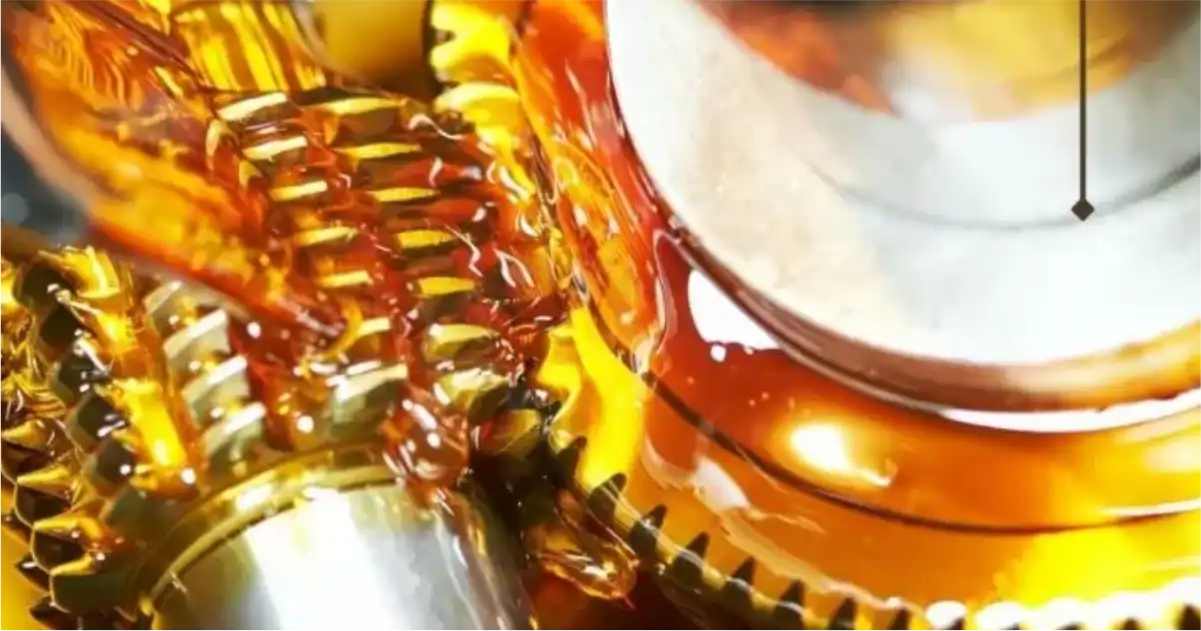
In today’s competitive industrial landscape, equipment reliability is no longer just a maintenance target—it’s a strategic advantage. While asset efficiency, lean manufacturing, and proactive maintenance all contribute to uptime, lubrication stands as one of the most powerful yet underestimated factors. The use of specialty lubricants, when paired with the right application techniques, can significantly boost operational consistency and lower maint
Blog | July 16, 2025
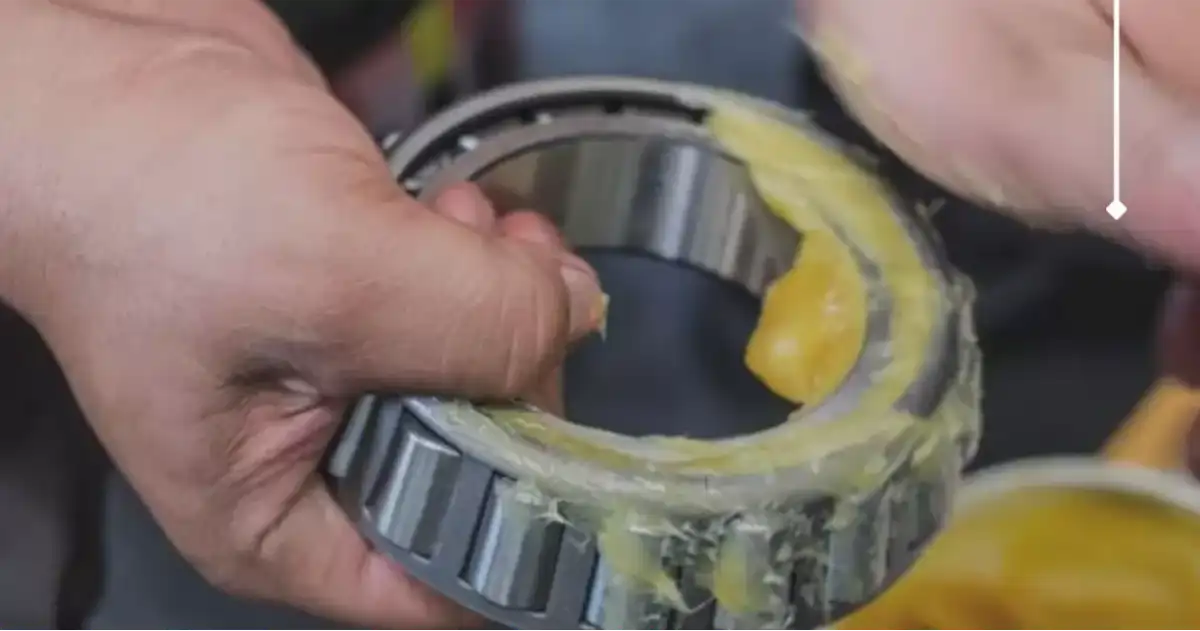
In industrial operations, bearing failure can result in unexpected downtime, increased maintenance costs, and operational inefficiencies. While bearings are designed for durability, poor lubrication practices are a leading cause of premature wear. The challenge? Much of what people believe about bearing lubrication is outdated—or simply wrong. At MOSIL, one of the leading lubricant manufacturers and industrial grease suppliers, we break down the most persisten
Blog | July 16, 2025

Glossary

What is viscosity of Oil?
Viscosity of an oil is a relative thickness that determines the flowability of the oil.
What is a flash point of an Oil?
Flashpoint of an Oil is the temperature at which 5% of the oil starts generating enough vapours to ignite the oil in the presence of an external source.
When should I use grease instead of oil?
Grease is ideal for applications where access is limited, sealing is important, or where lubricant needs to stay in place for extended periods.
What causes grease to harden or dry out?
Grease may harden due to oxidation, high temperatures, evaporation of base oil, or contamination over time.
What are food-grade lubricants?
Food-grade lubricants are specially formulated to be safe for incidental contact with food. They meet strict safety and hygiene standards like NSF H1.
What are NSF H1, H2, and H3 lubricants?
These are food-grade classifications: H1 (incidental food contact), H2 (no food contact), H3 (edible oils for rust prevention).
What is the primary purpose of lubrication?
Lubrication reduces friction and wear between moving surfaces, helping to improve efficiency, reduce energy consumption, and extend equipment life.
What is the difference between oil and grease?
Oil is a fluid lubricant that flows freely, while grease is a semi-solid lubricant consisting of oil, thickener, and additives. Grease stays in place and is preferred where relubrication is difficult.
What is viscosity, and why does it matter?
Viscosity is a measure of a fluid's resistance to flow. The right viscosity ensures adequate film thickness for protection without excessive drag.
What is the Viscosity Index (VI)?
VI indicates how a lubricant's viscosity changes with temperature. A high VI means less change in viscosity, ensuring better protection over a wider temperature range.

Get MOSIL press releases & newsletters in your inbox, and reach our media relations team for interviews or info – stay connected to our experts worldwide.